Residential Painting Services: How Professional Painting Revitalizes Your Home

Residential Painting

A home’s appearance can change dramatically with something as simple as a new coat of paint. Walls that once looked dull can suddenly feel fresh and inviting, while exterior surfaces that seemed worn can regain their charm and strength. Paint has a unique ability to renew living spaces, highlight architectural details, and protect important surfaces from everyday wear.

Residential Painting Chico is not only about changing colors. It is about maintaining the beauty, comfort, and durability of a home. With the right approach, painting can breathe new life into both the interior and exterior of a house.

The Importance of Residential Painting

Residential painting plays an important role in maintaining the overall condition of a home. Paint does more than add color. It acts as a protective layer that shields surfaces from moisture, sunlight, and everyday use.

Interior walls experience constant contact from furniture, hands, and daily activities. Without a protective paint layer, these surfaces may develop stains, scratches, and discoloration over time. Paint helps preserve the integrity of the walls and keeps them looking clean and well maintained.

Exterior surfaces face even greater challenges. Rain, sunlight, wind, and temperature changes can gradually damage siding and trim. Exterior paint forms a barrier that protects these materials from environmental exposure.

Residential painting also helps maintain property value. Homes that are well painted often appear newer and more appealing. This visual improvement can make a significant difference in how a home is perceived by visitors or potential buyers.

Because painting serves both decorative and protective purposes, it remains an essential part of home maintenance.

Preparing Surfaces for Residential Painting

Preparation is a critical step in any residential painting project. Even the highest quality paint cannot achieve a professional finish if the surfaces beneath it are not properly prepared.

The process typically begins with cleaning the surfaces that will be painted. Dirt, grease, and dust must be removed to ensure that paint adheres properly. Clean surfaces allow the paint to bond evenly and create a smoother finish.

After cleaning, the surfaces are carefully inspected for imperfections. Small holes, cracks, or dents may appear in walls or wood surfaces. These areas are repaired using patching materials that restore the surface to an even condition.

Sanding is often performed after repairs are completed. This step smooths rough areas and removes any remaining loose paint from previous coatings. A smooth surface allows the new paint layer to spread evenly.

Primer is frequently applied before the final paint coats. Primer improves paint adhesion and helps the final color appear consistent across the surface. With proper preparation, the painting process produces long lasting and visually appealing results.

Interior Residential Painting and Its Design Impact

Interior painting has the power to completely transform living spaces. The colors chosen for walls, ceilings, and trim can influence the mood and atmosphere of each room.

Light shades are often used to make rooms feel larger and brighter. These colors reflect natural light and create an open and welcoming environment. Soft neutral tones are popular choices because they complement a wide variety of décor styles.

Darker shades can add depth and character to a space. Accent walls are sometimes used to highlight architectural features such as fireplaces or built in shelving.

Interior residential painting also involves attention to detail. Trim, doors, and baseboards are painted carefully to create crisp lines that enhance the overall appearance of the room.

Painters take steps to protect surrounding areas before work begins. Furniture is moved or covered, and floors are protected from paint spills. These precautions ensure that the project is completed neatly and efficiently.

When the painting process is finished, rooms often feel refreshed and more inviting. The change in color and finish can dramatically improve the atmosphere of the home.

Exterior Residential Painting and Home Protection

Exterior residential painting serves as both a decorative upgrade and a protective shield for the home. The outer surfaces of a house are constantly exposed to weather conditions that can cause gradual damage.

Sunlight can fade materials over time, while rain and humidity may lead to moisture related problems. Paint helps prevent these issues by creating a barrier that protects the surface beneath.

Before exterior painting begins, the surfaces are thoroughly cleaned. Pressure washing is often used to remove dirt, mildew, and old paint residue. This step ensures that the new paint adheres properly.

After cleaning, any damaged areas are repaired. Loose boards, cracks, or worn surfaces are fixed so that the paint can be applied to a stable structure.

Exterior paint is then applied in multiple coats designed to withstand environmental exposure. These coatings help maintain color vibrancy while protecting siding and trim from weather related wear.

A well executed exterior painting project improves curb appeal while preserving the durability of the home’s structure.

Choosing Colors for Residential Painting Projects

Selecting the right colors is one of the most exciting parts of residential painting. Color choices can influence the overall personality and style of a home.

Many homeowners begin by considering how they want each room to feel. Bedrooms often benefit from calm and relaxing tones, while living rooms may feature warmer colors that encourage social interaction.

Lighting also affects how paint colors appear. Natural light may brighten certain shades, while artificial lighting can change the appearance of color tones. Testing paint samples on the wall helps ensure that the final color matches expectations.

Exterior color selection often focuses on balance and harmony. The main siding color should work well with trim, doors, and roofing materials. A coordinated color palette helps create a visually appealing exterior.

Paint finishes are another important consideration. Matte finishes create a smooth appearance that hides small imperfections, while satin or semi gloss finishes provide greater durability and easier cleaning.

Careful color selection ensures that the painting project enhances the beauty of the home.

Benefits of Professional Residential Painting

Hiring professionals for residential painting offers several advantages that can improve both the process and the final results. Experienced painters understand the techniques needed to achieve a smooth and even finish.

Professionals are skilled in surface preparation, which is essential for long lasting paint performance. They also know how to select the right materials for different surfaces, ensuring that the paint performs well under various conditions.

Efficiency is another benefit of professional painting services. Skilled painters can complete projects in a shorter time while maintaining high standards of quality.

Safety is also an important consideration, especially for exterior painting projects that involve working at heights. Professional painters have the equipment and training needed to handle these situations safely.

For homeowners, hiring professionals reduces the stress and time required to manage a painting project. The result is a high quality finish that enhances the appearance and durability of the home.

Maintaining Painted Surfaces Over Time

Once a residential painting project is completed, proper maintenance helps preserve the new finish. Painted surfaces benefit from regular cleaning and occasional inspection.

Interior walls can be gently cleaned with mild solutions to remove dust and small marks. This helps maintain a fresh appearance without damaging the paint.

Exterior surfaces should be inspected periodically for chips or cracks. Addressing these small issues early can prevent larger problems from developing.

Keeping gutters clean and ensuring proper drainage also protects exterior paint. Water that consistently runs down the walls can gradually damage painted surfaces.

Touch up painting may occasionally be needed in areas that experience heavy wear. Keeping leftover paint available allows homeowners to maintain a consistent appearance.

With proper care, painted surfaces can remain attractive and durable for many years.

Conclusion: The Lasting Impact of Residential Painting

Residential painting is one of the most effective ways to enhance both the appearance and protection of a home. A carefully executed painting project can transform interior rooms, improve exterior curb appeal, and protect important surfaces from damage.

Through thoughtful preparation, color selection, and proper application, paint provides long lasting benefits that extend beyond simple decoration. It creates spaces that feel refreshed, comfortable, and well maintained.

When approached with attention to detail and quality materials, residential painting becomes an investment that improves the beauty and value of a home for years to come.
Solar Attic Fans Guide: Ventilation and Energy Efficiency in Your Home

Solar Attic Fans

Step into an attic during a hot afternoon and you may immediately feel the difference in temperature. Attics can become extremely warm, especially during sunny days, because heat from the sun accumulates beneath the roof. This trapped heat does not always stay in the attic. It often spreads into the living spaces below, forcing cooling systems to work harder and increasing energy usage.

Many homeowners look for ways to manage this heat buildup while improving overall comfort in the home. One effective solution is the use of solar attic fans. These ventilation systems use the power of the sun to remove hot air from the attic and help maintain a healthier and more efficient home environment. Visit https://www.ultimateradiantbarrier.com/ to learn more about solar attic fans.

Understanding How Solar Attic Fans Work

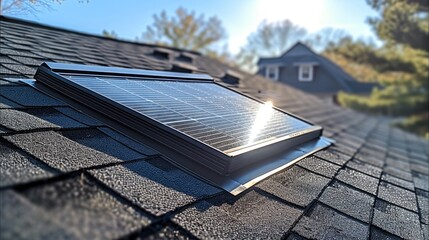
Solar attic fans are ventilation devices installed on the roof or attic space that use solar energy to power a fan. The fan is connected to a small solar panel that captures sunlight and converts it into electricity. This electricity powers the fan motor, allowing the system to operate without relying on the home’s electrical supply.

When sunlight reaches the solar panel, the fan begins to spin and pulls hot air out of the attic. As the hot air leaves the space, cooler outside air enters through intake vents. This continuous airflow helps prevent excessive heat buildup.

Unlike traditional attic fans that use electricity from the home, solar attic fans operate entirely through solar energy during daylight hours. This means they function most actively when the sun is strongest and attic temperatures are highest.

By continuously removing hot air from the attic, solar attic fans help maintain better airflow and prevent heat from accumulating inside the roof structure.

Why Attic Ventilation Is Important

Proper attic ventilation plays a crucial role in maintaining the comfort and efficiency of a home. Without adequate airflow, heat and moisture can become trapped in the attic space.

During warmer months, heat from sunlight can raise attic temperatures significantly. This heat can then transfer into the living areas below through the ceiling and insulation. As a result, air conditioning systems must work harder to maintain comfortable indoor temperatures.

In colder seasons, moisture can accumulate in poorly ventilated attics due to temperature differences between indoor and outdoor air. Excess moisture may contribute to issues such as mold growth or damage to structural materials.

Attic ventilation systems help remove both heat and moisture from the attic. This helps protect the roof structure while supporting more stable indoor temperatures.

Solar attic fans contribute to this ventilation process by actively moving hot air out of the attic and improving overall airflow within the space.

How Solar Attic Fans Improve Energy Efficiency

Energy efficiency is one of the main reasons homeowners install solar attic fans. When attic temperatures rise, the heat can gradually penetrate the ceiling and affect indoor living areas.

Cooling systems then need to run longer to compensate for this additional heat. This increased workload can lead to higher energy consumption.

Solar attic fans help reduce this problem by lowering attic temperatures through continuous ventilation. As hot air is removed from the attic, the temperature difference between the attic and living space becomes smaller.

With less heat transferring into the home, cooling systems can operate more efficiently. The home remains comfortable without requiring as much energy to maintain indoor temperatures.

Another advantage is that solar attic fans use renewable energy from sunlight to operate. Because they do not rely on household electricity, they can help reduce overall energy usage.

This combination of improved ventilation and renewable energy use makes solar attic fans a practical solution for homeowners seeking better energy efficiency.

Installation and Placement of Solar Attic Fans

Proper installation is important for solar attic fans to perform effectively. The fans are typically installed on the roof surface or near the ridge of the roof where hot air naturally accumulates.

Positioning the fan in an area that receives consistent sunlight ensures that the solar panel can generate enough power to operate the fan throughout the day.

Installers also consider the size of the attic when determining how many fans may be required. Larger attic spaces may require more than one fan to achieve adequate ventilation.

In addition to the fan itself, proper intake ventilation is necessary. Intake vents located near the roof edges allow cooler air to enter the attic as hot air is expelled by the fan.

This balanced airflow ensures that the fan can effectively circulate air and prevent heat buildup.

Once installed, solar attic fans operate automatically whenever sunlight reaches the solar panel.

Benefits of Using Solar Attic Fans

Solar attic fans offer several advantages that make them appealing for homeowners seeking improved ventilation and efficiency. One of the most noticeable benefits is the reduction of attic heat.

By removing hot air from the attic, these fans help maintain lower temperatures within the roof structure. This can reduce the amount of heat that enters living spaces below.

Improved ventilation also contributes to longer roof lifespan. Excessive heat can cause roofing materials to deteriorate more quickly. By lowering attic temperatures, solar attic fans help protect these materials.

Another benefit is the reduction of moisture buildup. Proper airflow allows humidity to escape from the attic, which can help prevent mold growth and structural damage.

Because solar attic fans rely on sunlight for power, they operate without increasing electricity usage. This makes them an environmentally friendly option for improving home ventilation.

Many homeowners also appreciate the quiet operation of these systems. Modern solar attic fans are designed to run smoothly without creating disruptive noise.

Maintenance and Longevity of Solar Attic Fans

Solar attic fans are designed to operate with minimal maintenance. However, periodic inspections can help ensure that the system continues to function effectively.

Checking the solar panel for dust, debris, or leaves helps maintain its ability to capture sunlight efficiently. A clean panel allows the fan to generate maximum power.

Inspecting the fan blades and housing also helps confirm that the fan can spin freely without obstruction. Removing any debris from the surrounding area prevents airflow blockage.

Roof inspections can ensure that the fan installation remains secure and properly sealed. This helps protect the attic from water intrusion during heavy rainfall.

Most solar attic fans are designed to last many years with proper care. The durable components and simple design contribute to reliable long term performance.

Maintaining the system helps ensure that it continues to support attic ventilation and home comfort.

Environmental Benefits of Solar Powered Ventilation

Solar attic fans provide environmental advantages because they rely on renewable energy rather than conventional electricity. By using sunlight as their power source, these fans reduce the demand on household energy systems.

Lower energy usage contributes to reduced environmental impact. When cooling systems operate less frequently, overall energy consumption decreases.

Solar powered ventilation also supports sustainable building practices. Homes that incorporate renewable energy technologies help reduce reliance on fossil fuels and other non renewable resources.

In addition to energy savings, improved attic ventilation contributes to healthier indoor environments. Removing excess heat and moisture helps maintain stable air conditions within the home.

These environmental benefits make solar attic fans an attractive option for homeowners interested in energy efficient and sustainable home improvements.

Conclusion: Why Solar Attic Fans Are a Smart Home Upgrade

Solar attic fans offer an effective way to improve ventilation, reduce heat buildup, and enhance energy efficiency in residential buildings. By harnessing the power of sunlight, these systems remove hot air from the attic and support better airflow throughout the roof structure.

The result is a home that remains more comfortable while placing less strain on heating and cooling systems. Lower attic temperatures also help protect roofing materials and reduce moisture related issues.

Because solar attic fans operate using renewable energy, they provide these benefits without increasing electricity consumption. Their quiet operation, low maintenance requirements, and long lifespan make them a practical investment for many homeowners.

For those seeking a reliable and environmentally friendly solution to attic heat and ventilation problems, solar attic fans provide a modern approach that improves both comfort and efficiency within the home.

Metal Stairs Railings: Combining Strength, Safety, and Modern Design

Metal Stairs Railings

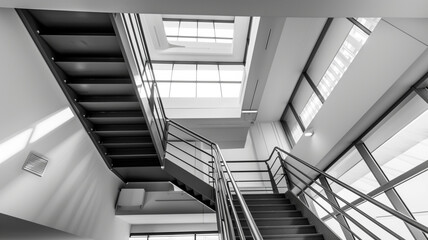
A staircase is more than just a functional pathway between levels. It is a structural feature that influences how a space feels and flows. At the heart of every staircase is the railing, a component that provides both safety and visual definition. When crafted from metal, stair railings become a powerful design element that blends durability with style.

Metal Stairs Railings are widely used in both residential and commercial settings because of their strength, versatility, and long lasting performance. Whether designed with clean modern lines or detailed decorative patterns, metal railings offer a balance of form and function that enhances any environment.

Understanding the Purpose of Metal Stair Railings

Metal stair railings serve a critical role in ensuring safety and stability. They provide support for individuals as they move up and down stairs, helping to prevent slips and falls. At the same time, they act as a boundary that defines the edge of the staircase.

Beyond safety, railings contribute to the overall design of a space. Their placement and style can influence how open or enclosed an area feels. In open layouts, metal railings can create a sense of structure without obstructing visibility.

The durability of metal makes it particularly suitable for high traffic areas. Unlike materials that may wear down over time, metal maintains its strength and reliability, making it a practical choice for long term use.

Types of Metal Used in Stair Railings

Different types of metal are used in stair railings, each offering unique characteristics. Steel is one of the most common choices due to its strength and adaptability. It can be shaped into a wide range of designs, from simple bars to intricate patterns.

Stainless steel is valued for its resistance to corrosion and its clean, polished appearance. It is often used in modern interiors where a sleek and refined look is desired.

Aluminum is another option that offers a lightweight alternative while still providing durability. It is often used in outdoor applications because of its resistance to rust.

Wrought iron is known for its decorative qualities. It can be crafted into detailed designs that add character and elegance to a staircase. This type of metal is often chosen for traditional or classic styles.

The choice of material depends on the specific needs of the project, including design preferences and environmental conditions.

Design Styles and Aesthetic Appeal

Metal stair railings are highly versatile in terms of design. They can complement a wide range of architectural styles, making them suitable for both contemporary and traditional spaces.

In modern designs, metal railings often feature clean lines and minimal detailing. Horizontal bars, cable systems, or glass panels combined with metal frames create a sleek and open appearance. This approach allows light to flow freely and enhances the sense of space.

For more traditional settings, metal railings can include decorative elements such as scrolls, curves, and ornamental details. These designs add warmth and character while maintaining the strength of the material.

Custom designs offer even greater flexibility. Metal can be shaped and finished in ways that reflect personal style, allowing for unique railings that stand out as focal points.

The finish of the metal also plays a significant role in its appearance. Options such as matte, brushed, or polished surfaces can dramatically change the look and feel of the railing.

Safety Features and Structural Integrity

Safety is a primary consideration in the design of metal stair railings. The strength of metal ensures that railings can withstand significant pressure, providing reliable support for users.

Proper installation is essential to maintain structural integrity. Railings must be securely anchored to the staircase and meet safety standards related to height and spacing. This ensures that they provide effective protection without compromising usability.

Handrails are an important component of the system. They should be comfortable to grip and positioned at an appropriate height to support movement. Metal handrails can be designed with smooth finishes that enhance both safety and comfort.

In addition to strength, metal railings offer consistency. They do not weaken or loosen easily over time, making them a dependable choice for environments where safety is a priority.

Applications in Different Settings

Metal stair railings are used in a variety of environments due to their adaptability and durability. In residential spaces, they are often chosen for their ability to enhance interior design while providing reliable support.

Modern homes frequently use metal railings to create open and airy staircases. These designs can make smaller spaces feel larger and more connected.

In commercial settings, metal railings are valued for their ability to handle heavy use. Offices, retail spaces, and public buildings require materials that can withstand constant traffic while maintaining a professional appearance.

Outdoor applications are also common. Metal railings can be used for exterior staircases, balconies, and walkways. With proper coatings, they can resist weather conditions and maintain their performance over time.

This versatility makes metal railings a practical choice for a wide range of projects.

Customization and Fabrication Options

One of the key advantages of metal stair railings is the ability to customize them to fit specific needs and preferences. Fabrication techniques allow for precise shaping and detailing, making it possible to create unique designs.

Custom railings can be tailored to match the dimensions and layout of a staircase. This is especially important in spaces with unconventional designs or limited space.

Patterns, textures, and finishes can all be customized to achieve a desired look. Whether the goal is a minimalist design or a more decorative style, metal provides the flexibility to bring creative ideas to life.

Advanced fabrication methods, including precision cutting and forming, enable the creation of complex designs with high accuracy. This ensures that the final product meets both aesthetic and functional requirements.

Customization allows metal stair railings to become more than just safety features. They can serve as distinctive elements that define the character of a space.

Maintenance and Long Term Performance

Metal stair railings are known for their durability and low maintenance requirements. With proper care, they can retain their appearance and functionality for many years.

Regular cleaning helps maintain the finish and prevents the buildup of dust and debris. This is especially important in high traffic areas where railings are frequently touched.

Protective coatings play a significant role in extending the life of metal railings. These coatings help prevent corrosion and protect the surface from wear.

Periodic inspections can identify any signs of damage or wear, allowing for timely maintenance. This ensures that the railings continue to provide safe and reliable support.

The long term performance of metal railings makes them a cost effective choice, as they require fewer repairs and replacements compared to other materials.

The Impact of Metal Railings on Interior and Exterior Design

Metal stair railings have a strong influence on the overall appearance of a space. Their design can enhance architectural features and create visual interest.

In interior spaces, metal railings can serve as focal points that draw attention to the staircase. Their clean lines and finishes contribute to a modern and sophisticated look.

In exterior settings, metal railings add structure and definition to outdoor areas. They can complement the design of a building while providing safety and support.

Lighting can further enhance the appearance of metal railings. Reflections and shadows interact with the surface, adding depth and dimension to the design.

By combining functionality with visual appeal, metal railings play an important role in shaping both interior and exterior environments.

Final Thoughts

Metal stair railings offer a perfect blend of strength, safety, and design flexibility. They provide essential support while also enhancing the visual character of a space. With a wide range of materials, styles, and customization options, they can be adapted to suit various needs and preferences.

Their durability and low maintenance requirements make them a practical and long lasting solution for both residential and commercial applications. At the same time, their aesthetic versatility allows them to stand out as key design elements.

By choosing metal stair railings, individuals can achieve a balance between functionality and style. These structures not only ensure safety but also contribute to the overall beauty and efficiency of the spaces they serve.

Concrete for Driveways, Patios and Walkways

Concrete for Driveways Patios and Walkways

Concrete Franklin TN offers a lot of design options. Engravings, circles, patterns and artwork can be used to add interest.

For areas expecting heavy loads or increased wear, a high-strength concrete mix is recommended. A 2,500 psi works for most driveways and high-traffic sidewalks.

Air-entrained concrete includes tiny air bubbles to improve its resistance to freeze-thaw cycles in Barrie’s climate, minimizing surface scaling and cracking. It’s also eco-friendly, absorbing carbon dioxide during its life cycle.

Curb Appeal

Concrete is a popular choice for driveways, patios and walkways, providing durability and low maintenance. Combined with the right landscaping, it elevates your home’s curb appeal to improve your property value and create a welcoming environment for visitors. While it’s easy to overlook the importance of curb appeal, it is a major factor when determining resale value and creating a positive impression on guests.

A well-maintained, beautiful exterior adds value to your home and provides a sense of pride for homeowners. Concrete slabs play a critical role in many outdoor and utility areas around the home, from driveways to patios, garages, basements and pool decks. Slab design depends on soil conditions and drainage, seasonal weather patterns, load bearing capacity, reinforcement placement and thickness, and other factors. JBS Construction designs and installs concrete slabs with close attention to these factors to ensure they perform as expected in southeastern Wisconsin.

Driveways, sidewalks and patios require a stronger mix of concrete than other outdoor surfaces. Concrete for these areas must withstand vehicle loads, snow load and deicing products. A standard concrete mix combines cement, aggregate (a mixture of sand, gravel, stone or recycled concrete) and water to produce a solid surface with good workability. The type of concrete used depends on the project; for example, high-traffic surfaces need a stronger, higher-strength mix of 2,500 pounds per square inch or more. Air-entrained and fiber-reinforced concrete mixes improve durability by incorporating fibrous materials that strengthen tensile strength.

Aesthetically, a concrete slab can be shaped and colored to complement the home’s style. Staining and stamping offer additional options for concrete surfaces, including the ability to mimic the appearance of wood, brick or other materials. The result is a customized, high-end look that is durable and requires only periodic cleaning and sealing to maintain the original beauty.

Decorative concrete also allows homeowners to customize the look of their walkways. For a classic, clean look, a full broom finish is simple and slip-resistant. Exposed aggregate showcases natural stones within the concrete and adds texture to the surface. Stamped and stained concrete resembles other materials with an earthy brown color that complements most landscapes. An angled face retains mulch, reduces erosion and weeds, and channels water to lawn areas, offering a contemporary aesthetic with functional benefits.

Durability

Concrete is known for its durability and longevity. With proper installation, concrete surfaces last 30-50 years and can withstand heavy traffic and harsh weather conditions. However, the lifespan of a concrete driveway, patio or walkway depends on several factors, including: the type of mix used, the way it was poured and cured, as well as how the surface is maintained. Taking proactive measures to protect your investment can help your concrete surfaces last longer and look better.

Unlike pavers, which can shift, crack and break over time, concrete is a long-lasting and versatile material that’s ideal for walkways and sidewalks. It can be poured into a variety of shapes and curves to create unique designs that complement your home’s exterior, and it pairs well with other materials like decorative stone or pavers for additional style options.

When compared to other common walkway materials, such as sand, gravel and dirt, concrete is less expensive and easier to maintain. With regular sweeping and cleaning, a concrete walkway will stay free from weed growth, and you can use de-icers and salt more safely without damaging the surface. Concrete also resists abrasion and impact damage much better than other materials, making it an excellent choice for pedestrian-heavy areas.

The key to ensuring your concrete walkway or sidewalk lasts as long as possible is the quality of its installation and maintenance. To avoid premature damage, ensure the concrete is properly mixed and cured, and always hire a professional for the job. The right concrete contractor will ensure the mix is suited for your project and address any potential problems during construction, such as water pooling, poor soil conditions or incorrect reinforcement.

When installing a new concrete walkway, consider upgrading to fiber-reinforced concrete for added strength and durability. This type of concrete incorporates synthetic or natural fibers into the mixture, which reduces cracking and shrinkage to extend its lifespan. This is especially important in colder climates where freeze-thaw cycles can cause significant damage to concrete surfaces. In addition, you can choose a colored or stamped finish to enhance your walkway’s aesthetic. This will allow you to achieve the look of high-end materials, such as pavers or natural stone, at a more affordable cost.

Low Maintenance

Concrete is a durable material that requires minimal maintenance and upkeep, saving homeowners time and money. Regular cleaning and the occasional application of a sealer can keep concrete looking like new for years to come. This allows homeowners to focus on enjoying their outdoor spaces rather than spending time and energy keeping them looking good.

In addition to being a long-lasting material, concrete is environmentally conscious. Concrete production is increasingly sustainable, utilizing recycled materials and incorporating carbon sequestration to reduce greenhouse gas emissions. Concrete patios also contribute to environmental sustainability by reducing stormwater runoff and eliminating the need for lawn watering.

Residential concrete is a sensible choice for driveways and walkways, as it’s capable of handling the weight of most vehicles without damaging or cracking. However, it is not suited for heavy machinery or oversized vehicles, such as delivery trucks or moving vans. Instead, these vehicles should remain on the street to prevent damage to the driveway or walkway and help preserve the structural integrity of the concrete.

With the right concrete design, homeowners can create a custom look that enhances their home’s architecture. Prairie Pure Color concrete can be stamped with a variety of patterns to mimic the appearance of flagstone, tile, brick or other popular materials. For example, the herringbone brick pattern offers a classic look that suits both modern and traditional homes. The ashlar slate stamped concrete is another popular choice, replicating the look of cut stone to add elegance and charm to any space.

Whether the surface is stamped or smooth, it’s important to follow proper construction techniques to ensure that the concrete will have maximum strength and durability. This starts with ensuring that the aggregate used is clean and free of debris. The mix should contain a variety of materials, including sand, gravel and crushed rock to promote strength and stability. Reinforcement materials, like rebar or wire mesh, can also be added to the mix to improve its durability and minimize the risk of cracking.

It is also vital to allow concrete sufficient time to cure before use. This process is a crucial step in the concrete’s life cycle, allowing it to achieve its full engineered strength and prevent cracking. Proper curing techniques involve covering the concrete during warm weather and insulating it from cold temperatures. Finally, weeds can take root in cracks and other imperfections, so it’s essential to use a weed killer or install a weed barrier fabric.

Versatility

Concrete is a versatile construction material that can be used for a variety of purposes. This is due to its unique composition, which consists of aggregate, such as sand or gravel, and binder, such as cement. By varying the ratios of these materials, a number of different properties are achieved. Concrete is able to withstand a lot of pressure and is resistant to weathering. In addition, it is easy to shape and mold into a variety of designs, making it suitable for numerous outdoor uses.

Aesthetics are another important aspect of concrete, and it can be modified in a number of ways to suit the needs of any project. For example, decorative concrete techniques allow homeowners to add color and texture to their projects. This can be done through staining or stamping, and it allows homeowners to achieve a more customized look that matches their home’s exterior.

Additionally, concrete can be poured in a variety of thicknesses and with different reinforcement options to improve its performance. For example, a concrete slab that will be used as a driveway should be thicker than a patio slab to ensure it can withstand the weight of vehicles and deicing products. It is also important to make sure the slab is properly oriented and graded so that melting snow and rain can flow away from the home instead of pooling around it.

When poured correctly, a concrete slab can last decades, providing a solid and durable surface that will withstand the elements and traffic. However, it is essential to choose the right concrete mix for the job at hand. Barrie’s climate, which features frequent freeze-thaw cycles and heavy vehicle loads, requires a concrete mix that is engineered for strength and durability. A high-strength or fiber-reinforced concrete mix is ideal, as these mixes have enhanced tensile strength and resistance to cracking.

Air-entrained concrete is another useful option for NYC, as it contains a special additive that creates microscopic air bubbles within the mixture. These bubbles help to resist the formation of ice crystals in the concrete, which can otherwise damage it.

Visit our Professional Services Blogs
West Accounting Services, Polycor Countertops, Appliance Repair Cherry Hill, Prism Power Wash, Gardner Tax And Accounting, Kitchen Remodel Cost, Sunrise Towing, Color Cork Flooring, Architectural Design Consultants, Sunny Cleaning, Solar Module Direct, Dr Mark Wiley, West Accounting Services, Visit Red Lake Region, Across America Movers, Karis Transportation, About The Bay Movers, Portland Metro Auto Insurance, Get Healthy Again, The Wow Traveler, Tzar Travel, Technohub IT Services, Maine Business Lending, Garage Door Repair 719, St Croix Tampa, Household Inspector, Hemp Solutions, Hamilton Home Inspection, Mold Removal Remediation Experts, Nine Radiance Furnitures

The Most Common Roofing Problems Homeowners Face

Cedar Park Roofing Pro

Roof problems can cause significant damage to your home if left unaddressed. Whether from harsh Middle Tennessee weather or simply normal wear and tear, homeowners should perform regular inspections to spot potential issues early.

In this article, we’ll walk through some of the most common roofing problems and offer straightforward solutions. Visit Cedar Park Roofing Pro for more information.

1. Damaged Shingles

One of the most common roof issues homeowners face is damaged shingles. Over time, shingle damage can lead to roof leaks and other structural problems in your home. Identifying this problem early and having it fixed promptly by a professional will save you money on costly repairs down the road.

The biggest cause of shingle damage is age and weather. Shingles can wear down and lose granules, exposing the underlying fiberglass and weakening the roof’s protection. In addition, ice dams and snow can force shingles upward against flashing or other parts of the roof, creating gaps where water or ice can enter the home.

Blistering, caused by trapped moisture and excessive heat, is another issue that can damage shingles. This can create small raised areas that are easy to miss, but left untreated can cause more serious problems. Having routine roof inspections and maintenance in spring and fall can help spot these problems before they become major headaches.

A roof’s most vulnerable areas are around penetrations, such as AC units and vents. Over time, these spots can develop cracks that let water into the home. Leaving these issues untreated can lead to wood rot, mold, mildew, and more.

A roof leak is one of the most severe and costly roofing problems, but it isn’t always visible to the naked eye. It may manifest as a damp spot on the ceiling or a water stain on the wall. The most common way a roof leaks is through cracks in the flashing (those thin, weatherproof pieces of metal that keep water out). Cracks can be caused by age, storms, or even poor installation. Performing regular maintenance checks, especially after storms, can help prevent these cracks from becoming a major problem.

2. Water Leaks

When shingles become damaged, they can cause water to seep through the roof and into your home. This is especially dangerous because it exposes the wood framing to rot and water damage, which can weaken the structure of your home. It can also lead to mold growth, water stains, and other issues that require professional assistance to resolve.

A roof leak can be one of the most frustrating and costly problems homeowners experience. It can damage ceilings, walls, personal belongings, and the structural integrity of your home. It can also create a perfect environment for the growth of mold and mildew, which poses health risks to your family.

Many leaks begin as small dents or tears in the roof. These can be caused by normal wear and tear, but they can also be the result of poor maintenance or installation practices. Regular roof inspections are essential to catch these issues and to make repairs before they cause major damage.

Leaks can also be caused by missing shingles, puncture holes, and loose caulking. It’s important to hire a roofing company that follows industry-standard installation procedures and takes pride in their workmanship.

Aside from shingle damage, many leaks can occur when nails back out of the roof. This occurs when a nail isn’t driven in far enough or if the nail hits a shingle that’s already been punctured by another nail.

When you suspect a roof leak, first check your attic for wet insulation or stained areas on the sheathing and rafters. It’s best to do this during the day when sunlight can help you trace water stains upward. If you can safely access the roof, hose the area where you’re suspicious of a leak to identify its source.

3. Debris Buildup

Damage caused by wind, snow and debris can be just as dangerous to your roof as leaks. It is important to have your roof checked after severe weather events to make sure it didn’t sustain any hidden damage that could lead to costly repairs or even replacement. It is also wise to check your gutters and roof valleys regularly for any buildup of leaves, branches, and debris. Debris can act like a sponge, soaking up water and increasing the likelihood of moisture seeping into your home. This can be a simple fix, but it is important to catch this problem early so that it doesn’t worsen over time.

If you suspect you have a roofing problem, contact us for an inspection and professional repair.

4. Damaged Flashing

Flashing is a thin strip of metal installed around vulnerable points in your roof system. It seals joints, directs water away from the roof and protects underlying materials like wood decking and insulation. If your flashing becomes cracked, rusted or loose, it can let water seep through and into your home. This can cause costly structural damage over time.

Flashing can be damaged by normal wear and tear, seasonal temperature fluctuations and aging. It can also be affected by poor installation or subpar roofing materials. If your flashing is damaged, it’s essential to have it repaired as soon as possible to prevent serious problems down the line.

Common signs of flashing damage include water stains on ceilings or walls, visible gaps or cracks around chimneys, vent pipes, skylights and in the roof valley where two slopes meet. You may also notice rust on the flashing or metal components of your roof, as well as signs of mold in the attic.

Roof leaks are a top concern for homeowners, and they don’t always present themselves as a steady drip. A leaking roof can also result in discolored ceilings, a wet attic and damaged sheathing or rafters. It’s important to inspect your roof frequently and immediately address any issues that you find.

Aside from routine visual inspections, it’s recommended that you have a professional roofer perform a thorough inspection after a severe weather event to ensure that no damage was caused by wind or heavy snow. They can also spot potential problems that you might not be able to detect from the ground, such as small holes in your roof flashing caused by corrosion or wildlife (like woodpeckers). This helps to avoid a costly repair bill down the road.

5. Clogged Gutters

Gutters serve a vital function by channeling rainwater away from the home. If gutters become clogged, it can lead to serious problems that affect both the interior and exterior of the home. One of the most obvious signs of clogged gutters is water stains on your roof, walls and ceiling. Another sign is a wet basement. This problem is caused by the rainwater seeping through porous foundation walls and flooring, leading to mold or mildew.

Clogged gutters can also be a breeding ground for pests. Birds, rodents and mosquitoes can find shelter in the damp debris and nest. Clogged gutters can also trap water, causing it to overflow and flood the yard. This can cause soil erosion around your home, as well as damage to plants and other structures in the yard.

The most common cause of clogged gutters is leaves, twigs and dirt that collect in the gutters. This can build up over time and prevent the gutter from functioning properly. Gutters should be cleaned regularly to remove these items.

Other signs of clogged gutters include standing water and eroded dirt around the foundation. This is because clogged gutters allow rainwater to spill over the edge of the gutter, rather than being diverted away from the home. This can saturate the soil around the foundation, causing it to shift and crack. It can also create hydrostatic pressure, which can weaken the foundation wall and compromise its structural integrity.

High winds, harsh weather conditions and natural wear and tear can cause shingles to crack, dislodge or fall off. This can result in a leaky roof and expensive repairs. The Marshall Exteriors team can identify the source of your shingle damage and recommend the best repair or replacement solution to protect your home.

Pest Control – How to Get Rid of Insects and Termites

pest control

Many pests carry diseases that can make people sick. Rodent faeces and bird droppings can contaminate food, water and surfaces.

Many collections that include animal skins, feathers, hair, skeletal material and dry specimens are extremely vulnerable to pest infestation. These materials can be safely frozen using proper procedures. Biological control methods introduce natural enemies of the pest to suppress it. Contact Pest Control Stuart for professional help.

If you see pests in your house, it is essential to contact a pest control expert immediately. Many pests are dangerous and carry diseases that can affect your family’s health. Dealing with a pest infestation can also be distressing, making you feel uncomfortable in your own home.

Several warning signs indicate it’s time to call a pest control professional:

Pest droppings are an obvious indicator of a problem, but you should know that different types of pests leave specific kinds of droppings. For example, small, dark pellets may be rodent excrement; gritty, talc-like droppings could be wood borer debris; and sulfur odors suggest termite activity. You might also notice a musty smell, or hear scurrying and scratching noises. Rodents are active at night and are skilled at hiding. Often, you will only be aware of them when they have already caused extensive damage.

A good pest management specialist will use a number of methods to identify the problem pest and determine how best to treat it. Pest identification is an important step in pest control because it allows the specialist to understand the pest’s life cycle and behavior, habitat preferences, food sources and other environmental factors. This information is critical to determining how, when and where treatments should be used.

Insect sampling complements visual monitoring by providing additional data on insect presence and infestation levels. Sampling is recommended when an infestation is suspected, at appropriate times in the pest’s life cycle, in historically infested areas or when a post-treatment analysis of treatment efficacy is desired. In addition to traditional sampling techniques, the National Integrated Pest Management (IPM) program uses disclosing solution and soil examinations to identify insects.

The WSU Pullman EH&S Pest Control Contractor provides service to the University and its facilities by inspecting and controlling pest problems, including rodents, insects and plant pathogens. These services are provided in a safe and responsible manner to protect human health, property, the environment and to ensure compliance with federal and state regulations and laws. They also include review of construction plans and specifications to help prevent the introduction of pests into new buildings.

Pest Prevention

Pests are organisms, like insects, fungi, bacteria, rodents, birds and plants that negatively impact human activities (EPA, 2014). They can damage buildings, crops, lawns and gardens; degrade or destroy fabrics and personal items, including books, photos, and papers; and cause health problems. They can also displace native plant species, change soil conditions and nutrient content, and create fire hazards.

Pests may be carried in by people, pets or equipment and may be introduced into a new location from outside or from another part of the facility. The best approach is preventative pest management based on proper identification and environmental controls. Prevention includes creating and maintaining physical barriers to pest entry and movement, removing food sources from areas where they are not wanted, establishing sanitation practices to disrupt and discourage breeding, and modifying environment factors that make collections more attractive to organisms.

Establishing an effective pest control program requires a significant investment of time, effort and resources on the front end, but implementing it pays off over the long term. For example, a well-established IPM program can prevent a facility from experiencing product recalls due to pest-related issues and avoid having shipments of products rejected by clients for these same reasons. This can save a facility a great deal of money over the course of many years.

Proper pest management also involves the monitoring of large pest populations over extended periods of time to determine trends and patterns. This information can be used to forecast population growth and movement and improve the effectiveness of pest control interventions. For instance, knowing that certain pests are more active in specific seasons can help managers target treatments for optimal results. It is also important to monitor pests throughout their life cycle in order to detect and identify the onset of infestations early, when they are most manageable. This knowledge can also be used to better coordinate pest control efforts with other types of intervention, such as habitat modification and soil health restoration efforts.

Pest Control Treatments

Many homeowners attempt to control pests with store-bought sprays and traps. These treatments may kill individual insects, but they don’t address infestations and are rarely effective. Professionals use targeted treatments for each type of pest. These are much more effective than general sprays and traps and are safer for family, pets, and children.

If you are noticing signs of pests, such as droppings, twigs or branches broken off near your home, then it’s time to call your local pest control company. These professionals are trained to identify the types of pests and their activity. They can also help you develop a pest control plan to prevent future problems.

Infestations of certain pests can cause serious damage to your property. For example, termites can eat away at wood and weaken the structure of your home. Rodents can chew through electrical wires, creating fire hazards. If you see pests at your home or notice damaged items, such as chewed up wood, gnawed wiring or torn-up linens, it’s time to seek pest control services.

A professional will identify the source of the problem and recommend the best treatment options for your situation. Depending on the severity of the infestation, this can include chemical treatments or heat treatment. Chemical treatments may involve a variety of chemicals, including insect growth regulators (IGRs) and baits. These target specific pests and interrupt their life cycle to stop them from breeding and spreading. Heat treatment exposes infested areas to high temperatures, killing all stages of pests, and is typically used for bed bug infestations.

Pests often produce unpleasant odors. A musty odor can indicate cockroaches, while a urine-like smell can point to rodents. These odors can be hard to detect, but your local pest control experts can help you identify and deal with them.

Pests can also create sounds. Scurrying or scratching noises can point to a rodent problem, while soft rustling can indicate a rat infestation in the walls or attic. Your local pest control expert can also evaluate these odors and determine the appropriate treatment for your home.

Termite Control

Termites can cause extensive damage, weakening the structural integrity of a building and threatening its safety. The best way to protect your home against this silent invader is through proactive prevention and timely treatment. While a variety of termite control methods are available, assessing the pros and cons of each is vital to making an informed decision.

For example, subterranean termites can wreak havoc on the wood framing that supports a structure, ultimately resulting in costly repair and renovation work. This type of infestation can often go unnoticed for a long time, making it particularly important to conduct regular termite inspections.

To help you determine if your home is at risk, BHB Pest Elimination, LLC offers a free termite inspection. These inspections will not only assess current signs of infestation, but they will also help you identify potential areas where future termite activity may occur. Using this information, our team can then advise you on the most appropriate preventive measures to take.

The most common method of controlling termites is a soil treatment, which involves applying liquid termiticide to the ground around a property. This solution forms an impenetrable barrier that protects the foundation of a structure and prevents new infestations from occurring. This is a highly effective and long-lasting method, particularly when combined with physical barriers that are placed in vulnerable locations.

Other preventive measures include keeping dead trees and stumps away from your home, and conducting frequent termite checks. It is especially important to check areas where moisture frequently enters the house, such as around doors and windows. These areas can become moist from condensation, attracting termites to the property.

Another way to test for termite presence is to look for discarded wings. Since swarmers shed their wings when they find a new place to establish a colony, discarded wings are a telltale sign of a termite infestation. If you notice wings near window sills or other entry points, you should contact a termite control company right away. You can also use natural products, such as boric acid, to deter termites. The substance can be applied in a powder form or as a spray, and works by dehydrating and disabling the pests.

Harness the Power of the Sun with Professional Solar Installation

solar

The demand for clean, renewable energy has never been higher, and solar installation is at the forefront of this movement. Homeowners and businesses are turning to solar power not only to reduce energy bills but also to create a more sustainable future. With advancements in technology and growing awareness of environmental impact, solar installation has become one of the most effective investments for long-term energy savings.

This guide explains the benefits, process, and key considerations of solar installation to help you understand why switching to solar can be a game-changer.

Why Solar Installation Is a Smart Choice

Solar energy provides countless advantages for both property owners and the environment. By installing solar panels, you can:

  • Lower energy costs – Once installed, solar systems can significantly reduce or even eliminate monthly electricity bills.
  • Increase property value – Homes and buildings with solar systems often attract higher resale values.
  • Reduce environmental impact – Solar power is a clean, renewable energy source that lowers carbon emissions.
  • Enjoy energy independence – Producing your own electricity reduces reliance on traditional energy providers.
  • Long-term savings – With proper maintenance, solar panels can last decades, offering reliable energy for years to come.

How Solar Installation Works

Understanding the installation process can help you appreciate the value of switching to solar. While each system may vary, most solar installations follow these steps:

1. Site Evaluation

A solar professional inspects your property to determine whether it receives adequate sunlight. They evaluate roof condition, angle, and shading from nearby trees or structures.

2. System Design

Based on your energy needs, the solar system is designed to maximize efficiency. Factors like panel type, placement, and system size are considered during this stage.

3. Permitting and Approvals

Before installation, necessary permits and approvals are secured to ensure the system complies with building codes and regulations.

4. Installation of Panels

The panels are mounted on the roof or ground and connected to the system. Proper positioning ensures they capture the maximum amount of sunlight.

5. Electrical Connection

The solar panels are connected to an inverter, which converts solar energy into usable electricity for your home or business.

6. Inspection and Activation

Once installed, the system undergoes final inspections before being activated. At this point, you can begin producing clean, renewable energy.

Types of Solar Systems

Not all solar installations are the same. Different systems suit different energy needs and property types. Here are the most common options:

  • Grid-tied systems – These remain connected to the local power grid, allowing you to use solar power while still having access to traditional electricity. Excess energy can often be sent back to the grid.
  • Off-grid systems – Ideal for remote locations, these systems store energy in batteries, providing independence from the grid.
  • Hybrid systems – Combining the best of both worlds, hybrid systems use solar panels and batteries but can still connect to the grid when needed.

Benefits of Professional Solar Installation

While DIY kits exist, professional solar installation offers significant advantages:

  • Expertise and precision – Professionals ensure panels are placed for maximum sunlight exposure.
  • Proper electrical connections – Trained installers guarantee safe and efficient wiring.
  • Compliance with codes – Professional installation meets all legal and safety requirements.
  • Long-term reliability – Professionally installed systems last longer and require fewer repairs.
  • Warranties and support – Many installers provide service guarantees for added peace of mind.

Key Considerations Before Installing Solar

Before committing to solar installation, there are important factors to evaluate:

  • Roof condition – Ensure your roof is in good shape, as solar panels last for decades.
  • Sun exposure – Properties with minimal shading and southern-facing roofs maximize solar potential.
  • Energy needs – Review past electricity bills to determine the size of the system required.
  • Budget and financing – While solar installation is an investment, many options exist to make it affordable.
  • Local climate – Even in less sunny regions, solar panels can still generate significant power.

Maintenance Tips for Solar Systems

One of the major advantages of solar panels is that they require minimal maintenance. However, following these steps helps keep your system running efficiently:

  • Regular cleaning – Remove dust, dirt, and debris that may block sunlight.
  • Check for shading – Trim trees or branches that may grow and cast shadows on panels.
  • Monitor system performance – Many solar systems include monitoring tools to track energy output.
  • Professional inspections – Schedule routine checkups to ensure wiring, inverters, and panels remain in good condition.

The Future of Solar Installation

Solar energy continues to grow rapidly worldwide as more people recognize its benefits. With technology improving efficiency and affordability, solar installation will only become more accessible in the future. Homeowners and businesses who adopt solar now are not only saving money but also contributing to a cleaner, greener planet.

Solar installation is more than just an energy upgrade—it’s an investment in the future. From reducing energy bills and increasing property value to promoting sustainability, solar power provides lasting benefits. With the right system, professional installation, and minimal maintenance, solar panels can supply reliable energy for decades.

Making the switch to solar is a smart move for both financial savings and environmental responsibility. By harnessing the power of the sun, you can enjoy clean energy, lower costs, and a brighter future.

Understanding Residential Electrical Wiring: Safety, Upgrades, and Modern Standards

Electricity powers nearly every aspect of modern living, from lighting and climate control to appliances, entertainment systems, and home offices. Yet behind the walls of every home lies a complex network of wiring and components that many homeowners rarely think about until a problem arises. Understanding residential electrical wiring is essential for maintaining safety, improving efficiency, and ensuring compliance with modern standards. As homes incorporate more technology and higher energy demands, the importance of proper wiring, timely upgrades, and adherence to safety protocols continues to grow.

Residential electrical wiring serves as the circulatory system of a home’s power distribution network. It carries electricity from the service panel to outlets, switches, lighting fixtures, and hardwired appliances. When installed and maintained correctly, this system operates quietly and reliably for decades. However, outdated materials, improper installations, and increased electrical loads can compromise safety and performance. Recognizing how wiring systems function—and when they require attention—empowers homeowners to make informed decisions about maintenance and upgrades. Click here to Learn More About Us.

electrical

At the core of any residential wiring system is the electrical service panel. This panel distributes incoming power into branch circuits that supply various areas of the home. Each circuit is protected by a breaker designed to interrupt power in the event of overload or short circuit. Wiring extends from the panel through walls, ceilings, and floors, connecting to outlets and fixtures. Modern homes typically use insulated copper wiring enclosed in protective sheathing, designed to withstand environmental conditions and prevent accidental contact.

Safety remains the primary concern in residential electrical wiring. Faulty or deteriorating wiring is one of the leading causes of residential electrical fires. Over time, insulation can degrade due to heat, moisture, or pest damage. Loose connections can create resistance, leading to overheating and arcing. Older homes may contain wiring systems that no longer meet current safety standards or lack sufficient grounding protection. Regular inspections and professional evaluations help identify these risks before they escalate into serious hazards.

One of the most significant advancements in modern residential wiring standards involves protective devices. Ground Fault Circuit Interrupters (GFCIs) and Arc Fault Circuit Interrupters (AFCIs) are now widely required in new construction and renovations. GFCIs protect against electric shock by shutting off power when a ground fault is detected, making them essential in areas such as kitchens, bathrooms, and outdoor spaces. AFCIs, on the other hand, detect dangerous arc faults that could ignite fires. These devices represent critical safety upgrades that significantly reduce the likelihood of injury or property damage.

Homeowners should be aware of several warning signs that indicate potential wiring issues. Flickering lights, frequently tripped breakers, burning odors, discolored outlets, or buzzing sounds from walls may signal underlying electrical problems. Ignoring these symptoms can lead to larger system failures or fire hazards. In many cases, the issue stems from overloaded circuits, aging wiring, or improper modifications performed during past renovations. Addressing these concerns promptly helps preserve both safety and system integrity.

Upgrading residential electrical wiring is often necessary as energy demands increase. Modern households use far more electricity than homes built decades ago. Large appliances, high-definition entertainment systems, electric vehicle chargers, and smart home technologies all require substantial power. If the existing wiring system was designed for lower demand, it may struggle to handle current loads. Upgrades may involve adding new circuits, replacing outdated wiring, or increasing service panel capacity. These improvements not only enhance performance but also prevent overload conditions that can compromise safety.

When considering electrical upgrades, homeowners typically focus on several key improvements:

  1. Replacing outdated wiring systems with modern insulated copper wiring.
  2. Upgrading the electrical panel to support increased amperage.
  3. Installing additional dedicated circuits for high-demand appliances.
  4. Adding GFCI and AFCI protection where required by modern standards.
  5. Improving grounding and bonding systems to enhance safety.

Modern building standards also emphasize proper wire sizing and circuit design. Each circuit must be rated to handle the electrical load it serves. Undersized wiring can overheat when subjected to excessive current, increasing fire risk. Electricians calculate load requirements based on appliance ratings, lighting demands, and anticipated usage patterns. Ensuring correct wire gauge and breaker sizing is fundamental to safe and efficient power distribution.

Grounding is another critical aspect of residential wiring that directly impacts safety. A properly grounded system provides a safe pathway for fault currents, reducing the risk of electric shock. Grounding systems connect electrical components to the earth, allowing excess energy to dissipate harmlessly. Bonding ensures that metal enclosures and conductive materials remain at the same electrical potential, preventing dangerous voltage differences. Modern standards require comprehensive grounding and bonding to protect both occupants and equipment.

In addition to safety considerations, energy efficiency plays an increasingly important role in residential wiring decisions. Efficient wiring layouts reduce voltage drop and minimize energy waste. Upgrading to LED lighting, installing programmable switches, and integrating smart controls can further optimize energy consumption. While wiring itself does not generate electricity, its design and condition significantly influence system efficiency and reliability.

Renovations and home additions often present opportunities to modernize wiring systems. When walls are opened during remodeling, electricians can assess existing wiring and make necessary improvements. This proactive approach ensures that newly renovated spaces meet current safety codes and are equipped to handle modern electrical loads. Homeowners planning kitchen remodels, basement finishes, or room additions should prioritize electrical evaluations as part of their project planning.

Smart home technology has also influenced residential wiring standards. Automated lighting, integrated security systems, smart thermostats, and networked appliances require reliable power and often additional wiring or data cabling. Integrating these systems safely requires careful planning to avoid overloading circuits or compromising protective devices. Professional installation ensures compatibility, proper load management, and compliance with modern electrical codes.

Routine maintenance is just as important as initial installation. Even well-designed wiring systems benefit from periodic inspections. Electricians can test breakers, examine connections, verify grounding integrity, and assess overall system condition. Preventive maintenance helps detect early signs of wear, reducing the likelihood of unexpected failures. For older homes, scheduling inspections every few years is particularly advisable.

Homeowners should also understand the importance of avoiding do-it-yourself electrical modifications. While minor tasks such as replacing a light fixture may seem straightforward, improper wiring can introduce serious safety risks. Incorrect connections, inadequate grounding, or mismatched wire sizes can create hidden hazards that remain undetected until a failure occurs. Licensed professionals possess the training and tools necessary to ensure installations meet safety standards and building codes.

Modern residential wiring standards are designed to adapt to evolving technology and safety research. Electrical codes are periodically updated to reflect new findings and emerging risks. Staying informed about these changes allows homeowners to make strategic upgrades that enhance safety and future-proof their properties. For example, increasing panel capacity today may accommodate future additions such as solar panels or electric vehicle charging stations.

There are several long-term benefits associated with maintaining and upgrading residential electrical wiring:

  1. Enhanced safety through reduced fire and shock hazards.
  2. Improved reliability with fewer outages and breaker trips.
  3. Increased home value due to compliance with modern standards.
  4. Greater energy efficiency and reduced utility costs.
  5. Better accommodation of modern appliances and smart technologies.

Understanding residential electrical wiring empowers homeowners to view their electrical systems not as hidden infrastructure but as critical components of home performance and safety. Just as plumbing and structural elements require maintenance, wiring systems demand attention and care. Proactive upgrades and inspections protect families, preserve property value, and ensure that homes remain adaptable to changing technological demands.

vIn conclusion, residential electrical wiring is a foundational element of modern living that deserves careful consideration. From safety devices and grounding systems to panel upgrades and circuit expansion, modern standards emphasize protection, efficiency, and reliability. As electrical demands continue to increase, homeowners must prioritize inspections, timely upgrades, and professional installation practices. By doing so, they create safer living environments, support energy efficiency, and ensure their homes are equipped to meet the challenges of today and tomorrow.

How Professional Handyman Services Save Time and Prevent Costly Home Repairs

Homeownership comes with numerous responsibilities, from routine maintenance to unexpected repairs. While some homeowners enjoy tackling small projects themselves, many find that certain tasks quickly become time-consuming, complicated, or even risky. This is where professional handyman services play a crucial role. By combining expertise, efficiency, and versatility, handyman services help homeowners maintain their properties, address issues before they escalate, and ultimately save both time and money. Unlike DIY solutions, professional services offer a level of skill and reliability that ensures repairs and upgrades are completed correctly the first time.

handyman

One of the most significant benefits of hiring a professional handyman is the ability to prevent minor issues from developing into major problems. Small leaks, damaged fixtures, or loose wiring may seem inconsequential at first, but if left unattended, they can lead to extensive damage and costly repairs. For instance, a slow leak under a sink can gradually damage cabinetry, flooring, and even cause mold growth. Professional Handyman Lexington KY can identify these issues during routine visits and address them promptly, avoiding expensive consequences down the line. Proactive maintenance and timely repairs are essential strategies for protecting the longevity and value of a home.

Handyman services offer a wide range of skills that cover various home maintenance needs. From plumbing repairs and electrical troubleshooting to carpentry, painting, and appliance installation, handymen provide comprehensive solutions for common household challenges. This versatility means that homeowners can rely on a single service provider rather than hiring multiple specialized contractors. For example, a handyman can fix a leaky faucet, patch drywall, replace a broken door handle, and install shelves all in one visit. This consolidated approach saves time, reduces scheduling complexities, and ensures consistent quality across multiple tasks.

Time efficiency is another major advantage of professional handyman services. Many homeowners underestimate the effort and skill required to complete even seemingly simple home repairs. Tasks such as assembling furniture, installing fixtures, or repairing minor electrical issues can consume hours or even days when done without the proper tools or expertise. Professional handymen arrive equipped with the necessary tools, materials, and technical knowledge, completing projects quickly and accurately. This allows homeowners to focus on their personal and professional commitments without being burdened by extended repair timelines.

Cost-effectiveness is often overlooked when considering the benefits of hiring a handyman. While DIY projects may appear cheaper initially, mistakes, improper installations, or incomplete repairs can lead to higher long-term costs. Hiring a professional ensures that repairs are done correctly the first time, preventing the need for repeated attempts or emergency fixes. Additionally, handymen can identify underlying issues that may not be immediately visible, such as structural weaknesses, faulty wiring, or water damage. Addressing these problems early reduces the likelihood of extensive repairs and protects the overall value of the property.

Handyman services also offer customization and personalization for home improvement projects. Homeowners may wish to enhance their living spaces with built-in shelving, custom cabinets, or updated fixtures. Professional handymen can provide practical guidance on design, materials, and functionality, ensuring that improvements are both aesthetically pleasing and durable. Whether upgrading a kitchen, bathroom, or living area, these professionals deliver results that balance style with practicality, maximizing both enjoyment and property value.

Safety is a critical factor in home repairs that is often underestimated by DIY enthusiasts. Many tasks involve potential hazards, including electrical work, plumbing, ladder use, and handling heavy materials. Professional handymen are trained to work safely and efficiently, minimizing the risk of accidents and injuries. They are also knowledgeable about building codes, local regulations, and proper installation techniques, ensuring that repairs and improvements comply with safety standards. This peace of mind is invaluable, particularly for homeowners who may lack experience or confidence in tackling certain projects.

Routine maintenance is another area where handyman services provide significant value. Scheduling regular inspections and small repairs helps keep homes in optimal condition. For example, handymen can check for leaks, tighten loose hardware, lubricate door hinges, clean gutters, and test smoke detectors. These preventive measures not only maintain comfort and functionality but also prevent problems from escalating. In many cases, routine maintenance can extend the lifespan of appliances, plumbing systems, and structural elements, further enhancing long-term cost savings.

Handyman services are also beneficial for emergency repairs. Unexpected issues such as broken windows, water leaks, or malfunctioning electrical components require immediate attention to prevent further damage. Professional handymen can respond quickly, diagnose the problem, and provide effective solutions. Their ability to act swiftly reduces the impact of emergencies, minimizing both disruption to daily life and repair costs. This responsiveness is particularly valuable for homeowners with busy schedules or limited technical knowledge.

Technology and modern tools have enhanced the capabilities of professional handymen. From advanced power tools and diagnostic equipment to high-quality materials and specialized adhesives, these resources allow professionals to tackle complex projects with precision. This integration of technology ensures that repairs are not only faster but also more durable and reliable. Homeowners benefit from solutions that are efficient, long-lasting, and tailored to the unique requirements of their property.

Professional handymen also provide clear estimates and transparent pricing, helping homeowners plan their budgets effectively. By outlining the scope of work, required materials, and labor costs upfront, homeowners can avoid unexpected expenses. Many handymen offer flexible service packages, ranging from one-time repairs to ongoing maintenance programs. This adaptability allows homeowners to prioritize projects based on urgency, budget, and personal goals, ensuring a practical and cost-efficient approach to property upkeep.

Another key advantage of hiring a handyman is the ability to tackle projects that homeowners may have postponed due to time, skill, or confidence limitations. Many households accumulate a list of minor repairs—such as squeaky doors, loose tiles, or peeling paint—that are easily overlooked but collectively impact the home’s appearance and functionality. Professional handymen efficiently address these tasks, transforming the home environment without requiring the homeowner to invest significant personal time or effort. The result is a well-maintained, visually appealing, and fully functional living space.

Key Benefits of Professional Handyman Services:

  1. Time Savings: Skilled professionals complete repairs and improvements efficiently, freeing up homeowners’ time.
  2. Cost Prevention: Early identification and repair of minor issues prevent expensive long-term damage.
  3. Versatility: A wide range of services—including plumbing, electrical, carpentry, and painting—covers multiple home needs.
  4. Safety: Professionals follow proper procedures and comply with building codes, minimizing risk of injury or accidents.
  5. Routine Maintenance: Regular inspections and upkeep extend the life of home systems and structural elements.
  6. Emergency Repairs: Quick response and effective solutions reduce damage and disruption during unexpected problems.
  7. Quality Workmanship: Professional experience ensures durable, aesthetically pleasing, and reliable results.
  8. Custom Solutions: Personalized guidance on materials, design, and functionality enhances both beauty and usability.
  9. Technology Integration: Modern tools and techniques improve efficiency, precision, and long-term performance.
  10. Budget Planning: Transparent estimates and flexible service options allow for practical and cost-effective project management.

In conclusion, professional handyman services offer far more than simple convenience—they are strategic investments in the protection, efficiency, and value of a home. By addressing repairs, maintenance, and improvements with expertise and precision, handymen save homeowners significant time, prevent costly damage, and ensure that projects are completed safely and reliably. From small maintenance tasks to major home improvements, these professionals provide versatile solutions that enhance comfort, aesthetics, and functionality. Whether dealing with routine upkeep or unexpected repairs, hiring a professional handyman guarantees that your home remains safe, attractive, and fully operational, making it a wise and practical choice for any homeowner.