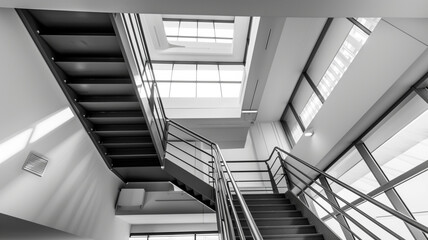
Metal Stairs Railings: Combining Strength, Safety, and Modern Design

Metal Stairs Railings

A staircase is more than just a functional pathway between levels. It is a structural feature that influences how a space feels and flows. At the heart of every staircase is the railing, a component that provides both safety and visual definition. When crafted from metal, stair railings become a powerful design element that blends durability with style.

Metal Stairs Railings are widely used in both residential and commercial settings because of their strength, versatility, and long lasting performance. Whether designed with clean modern lines or detailed decorative patterns, metal railings offer a balance of form and function that enhances any environment.

Understanding the Purpose of Metal Stair Railings

Metal stair railings serve a critical role in ensuring safety and stability. They provide support for individuals as they move up and down stairs, helping to prevent slips and falls. At the same time, they act as a boundary that defines the edge of the staircase.

Beyond safety, railings contribute to the overall design of a space. Their placement and style can influence how open or enclosed an area feels. In open layouts, metal railings can create a sense of structure without obstructing visibility.

The durability of metal makes it particularly suitable for high traffic areas. Unlike materials that may wear down over time, metal maintains its strength and reliability, making it a practical choice for long term use.

Types of Metal Used in Stair Railings

Different types of metal are used in stair railings, each offering unique characteristics. Steel is one of the most common choices due to its strength and adaptability. It can be shaped into a wide range of designs, from simple bars to intricate patterns.

Stainless steel is valued for its resistance to corrosion and its clean, polished appearance. It is often used in modern interiors where a sleek and refined look is desired.

Aluminum is another option that offers a lightweight alternative while still providing durability. It is often used in outdoor applications because of its resistance to rust.

Wrought iron is known for its decorative qualities. It can be crafted into detailed designs that add character and elegance to a staircase. This type of metal is often chosen for traditional or classic styles.

The choice of material depends on the specific needs of the project, including design preferences and environmental conditions.

Design Styles and Aesthetic Appeal

Metal stair railings are highly versatile in terms of design. They can complement a wide range of architectural styles, making them suitable for both contemporary and traditional spaces.

In modern designs, metal railings often feature clean lines and minimal detailing. Horizontal bars, cable systems, or glass panels combined with metal frames create a sleek and open appearance. This approach allows light to flow freely and enhances the sense of space.

For more traditional settings, metal railings can include decorative elements such as scrolls, curves, and ornamental details. These designs add warmth and character while maintaining the strength of the material.

Custom designs offer even greater flexibility. Metal can be shaped and finished in ways that reflect personal style, allowing for unique railings that stand out as focal points.

The finish of the metal also plays a significant role in its appearance. Options such as matte, brushed, or polished surfaces can dramatically change the look and feel of the railing.

Safety Features and Structural Integrity

Safety is a primary consideration in the design of metal stair railings. The strength of metal ensures that railings can withstand significant pressure, providing reliable support for users.

Proper installation is essential to maintain structural integrity. Railings must be securely anchored to the staircase and meet safety standards related to height and spacing. This ensures that they provide effective protection without compromising usability.

Handrails are an important component of the system. They should be comfortable to grip and positioned at an appropriate height to support movement. Metal handrails can be designed with smooth finishes that enhance both safety and comfort.

In addition to strength, metal railings offer consistency. They do not weaken or loosen easily over time, making them a dependable choice for environments where safety is a priority.

Applications in Different Settings

Metal stair railings are used in a variety of environments due to their adaptability and durability. In residential spaces, they are often chosen for their ability to enhance interior design while providing reliable support.

Modern homes frequently use metal railings to create open and airy staircases. These designs can make smaller spaces feel larger and more connected.

In commercial settings, metal railings are valued for their ability to handle heavy use. Offices, retail spaces, and public buildings require materials that can withstand constant traffic while maintaining a professional appearance.

Outdoor applications are also common. Metal railings can be used for exterior staircases, balconies, and walkways. With proper coatings, they can resist weather conditions and maintain their performance over time.

This versatility makes metal railings a practical choice for a wide range of projects.

Customization and Fabrication Options

One of the key advantages of metal stair railings is the ability to customize them to fit specific needs and preferences. Fabrication techniques allow for precise shaping and detailing, making it possible to create unique designs.

Custom railings can be tailored to match the dimensions and layout of a staircase. This is especially important in spaces with unconventional designs or limited space.

Patterns, textures, and finishes can all be customized to achieve a desired look. Whether the goal is a minimalist design or a more decorative style, metal provides the flexibility to bring creative ideas to life.

Advanced fabrication methods, including precision cutting and forming, enable the creation of complex designs with high accuracy. This ensures that the final product meets both aesthetic and functional requirements.

Customization allows metal stair railings to become more than just safety features. They can serve as distinctive elements that define the character of a space.

Maintenance and Long Term Performance

Metal stair railings are known for their durability and low maintenance requirements. With proper care, they can retain their appearance and functionality for many years.

Regular cleaning helps maintain the finish and prevents the buildup of dust and debris. This is especially important in high traffic areas where railings are frequently touched.

Protective coatings play a significant role in extending the life of metal railings. These coatings help prevent corrosion and protect the surface from wear.

Periodic inspections can identify any signs of damage or wear, allowing for timely maintenance. This ensures that the railings continue to provide safe and reliable support.

The long term performance of metal railings makes them a cost effective choice, as they require fewer repairs and replacements compared to other materials.

The Impact of Metal Railings on Interior and Exterior Design

Metal stair railings have a strong influence on the overall appearance of a space. Their design can enhance architectural features and create visual interest.

In interior spaces, metal railings can serve as focal points that draw attention to the staircase. Their clean lines and finishes contribute to a modern and sophisticated look.

In exterior settings, metal railings add structure and definition to outdoor areas. They can complement the design of a building while providing safety and support.

Lighting can further enhance the appearance of metal railings. Reflections and shadows interact with the surface, adding depth and dimension to the design.

By combining functionality with visual appeal, metal railings play an important role in shaping both interior and exterior environments.

Final Thoughts

Metal stair railings offer a perfect blend of strength, safety, and design flexibility. They provide essential support while also enhancing the visual character of a space. With a wide range of materials, styles, and customization options, they can be adapted to suit various needs and preferences.

Their durability and low maintenance requirements make them a practical and long lasting solution for both residential and commercial applications. At the same time, their aesthetic versatility allows them to stand out as key design elements.

By choosing metal stair railings, individuals can achieve a balance between functionality and style. These structures not only ensure safety but also contribute to the overall beauty and efficiency of the spaces they serve.

Pest Control – How to Get Rid of Insects and Termites

pest control

Many pests carry diseases that can make people sick. Rodent faeces and bird droppings can contaminate food, water and surfaces.

Many collections that include animal skins, feathers, hair, skeletal material and dry specimens are extremely vulnerable to pest infestation. These materials can be safely frozen using proper procedures. Biological control methods introduce natural enemies of the pest to suppress it. Contact Pest Control Stuart for professional help.

If you see pests in your house, it is essential to contact a pest control expert immediately. Many pests are dangerous and carry diseases that can affect your family’s health. Dealing with a pest infestation can also be distressing, making you feel uncomfortable in your own home.

Several warning signs indicate it’s time to call a pest control professional:

Pest droppings are an obvious indicator of a problem, but you should know that different types of pests leave specific kinds of droppings. For example, small, dark pellets may be rodent excrement; gritty, talc-like droppings could be wood borer debris; and sulfur odors suggest termite activity. You might also notice a musty smell, or hear scurrying and scratching noises. Rodents are active at night and are skilled at hiding. Often, you will only be aware of them when they have already caused extensive damage.

A good pest management specialist will use a number of methods to identify the problem pest and determine how best to treat it. Pest identification is an important step in pest control because it allows the specialist to understand the pest’s life cycle and behavior, habitat preferences, food sources and other environmental factors. This information is critical to determining how, when and where treatments should be used.

Insect sampling complements visual monitoring by providing additional data on insect presence and infestation levels. Sampling is recommended when an infestation is suspected, at appropriate times in the pest’s life cycle, in historically infested areas or when a post-treatment analysis of treatment efficacy is desired. In addition to traditional sampling techniques, the National Integrated Pest Management (IPM) program uses disclosing solution and soil examinations to identify insects.

The WSU Pullman EH&S Pest Control Contractor provides service to the University and its facilities by inspecting and controlling pest problems, including rodents, insects and plant pathogens. These services are provided in a safe and responsible manner to protect human health, property, the environment and to ensure compliance with federal and state regulations and laws. They also include review of construction plans and specifications to help prevent the introduction of pests into new buildings.

Pest Prevention

Pests are organisms, like insects, fungi, bacteria, rodents, birds and plants that negatively impact human activities (EPA, 2014). They can damage buildings, crops, lawns and gardens; degrade or destroy fabrics and personal items, including books, photos, and papers; and cause health problems. They can also displace native plant species, change soil conditions and nutrient content, and create fire hazards.

Pests may be carried in by people, pets or equipment and may be introduced into a new location from outside or from another part of the facility. The best approach is preventative pest management based on proper identification and environmental controls. Prevention includes creating and maintaining physical barriers to pest entry and movement, removing food sources from areas where they are not wanted, establishing sanitation practices to disrupt and discourage breeding, and modifying environment factors that make collections more attractive to organisms.

Establishing an effective pest control program requires a significant investment of time, effort and resources on the front end, but implementing it pays off over the long term. For example, a well-established IPM program can prevent a facility from experiencing product recalls due to pest-related issues and avoid having shipments of products rejected by clients for these same reasons. This can save a facility a great deal of money over the course of many years.

Proper pest management also involves the monitoring of large pest populations over extended periods of time to determine trends and patterns. This information can be used to forecast population growth and movement and improve the effectiveness of pest control interventions. For instance, knowing that certain pests are more active in specific seasons can help managers target treatments for optimal results. It is also important to monitor pests throughout their life cycle in order to detect and identify the onset of infestations early, when they are most manageable. This knowledge can also be used to better coordinate pest control efforts with other types of intervention, such as habitat modification and soil health restoration efforts.

Pest Control Treatments

Many homeowners attempt to control pests with store-bought sprays and traps. These treatments may kill individual insects, but they don’t address infestations and are rarely effective. Professionals use targeted treatments for each type of pest. These are much more effective than general sprays and traps and are safer for family, pets, and children.

If you are noticing signs of pests, such as droppings, twigs or branches broken off near your home, then it’s time to call your local pest control company. These professionals are trained to identify the types of pests and their activity. They can also help you develop a pest control plan to prevent future problems.

Infestations of certain pests can cause serious damage to your property. For example, termites can eat away at wood and weaken the structure of your home. Rodents can chew through electrical wires, creating fire hazards. If you see pests at your home or notice damaged items, such as chewed up wood, gnawed wiring or torn-up linens, it’s time to seek pest control services.

A professional will identify the source of the problem and recommend the best treatment options for your situation. Depending on the severity of the infestation, this can include chemical treatments or heat treatment. Chemical treatments may involve a variety of chemicals, including insect growth regulators (IGRs) and baits. These target specific pests and interrupt their life cycle to stop them from breeding and spreading. Heat treatment exposes infested areas to high temperatures, killing all stages of pests, and is typically used for bed bug infestations.

Pests often produce unpleasant odors. A musty odor can indicate cockroaches, while a urine-like smell can point to rodents. These odors can be hard to detect, but your local pest control experts can help you identify and deal with them.

Pests can also create sounds. Scurrying or scratching noises can point to a rodent problem, while soft rustling can indicate a rat infestation in the walls or attic. Your local pest control expert can also evaluate these odors and determine the appropriate treatment for your home.

Termite Control

Termites can cause extensive damage, weakening the structural integrity of a building and threatening its safety. The best way to protect your home against this silent invader is through proactive prevention and timely treatment. While a variety of termite control methods are available, assessing the pros and cons of each is vital to making an informed decision.

For example, subterranean termites can wreak havoc on the wood framing that supports a structure, ultimately resulting in costly repair and renovation work. This type of infestation can often go unnoticed for a long time, making it particularly important to conduct regular termite inspections.

To help you determine if your home is at risk, BHB Pest Elimination, LLC offers a free termite inspection. These inspections will not only assess current signs of infestation, but they will also help you identify potential areas where future termite activity may occur. Using this information, our team can then advise you on the most appropriate preventive measures to take.

The most common method of controlling termites is a soil treatment, which involves applying liquid termiticide to the ground around a property. This solution forms an impenetrable barrier that protects the foundation of a structure and prevents new infestations from occurring. This is a highly effective and long-lasting method, particularly when combined with physical barriers that are placed in vulnerable locations.

Other preventive measures include keeping dead trees and stumps away from your home, and conducting frequent termite checks. It is especially important to check areas where moisture frequently enters the house, such as around doors and windows. These areas can become moist from condensation, attracting termites to the property.

Another way to test for termite presence is to look for discarded wings. Since swarmers shed their wings when they find a new place to establish a colony, discarded wings are a telltale sign of a termite infestation. If you notice wings near window sills or other entry points, you should contact a termite control company right away. You can also use natural products, such as boric acid, to deter termites. The substance can be applied in a powder form or as a spray, and works by dehydrating and disabling the pests.