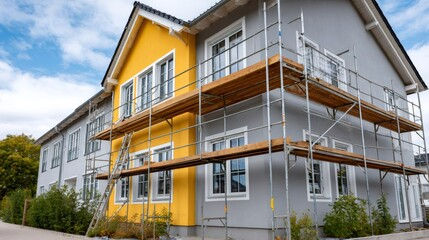
A home’s appearance can change dramatically with something as simple as a new coat of paint. Walls that once looked dull can suddenly feel fresh and inviting, while exterior surfaces that seemed worn can regain their charm and strength. Paint has a unique ability to renew living spaces, highlight architectural details, and protect important surfaces from everyday wear.
Residential Painting Chico is not only about changing colors. It is about maintaining the beauty, comfort, and durability of a home. With the right approach, painting can breathe new life into both the interior and exterior of a house.
The Importance of Residential Painting
Residential painting plays an important role in maintaining the overall condition of a home. Paint does more than add color. It acts as a protective layer that shields surfaces from moisture, sunlight, and everyday use.
Interior walls experience constant contact from furniture, hands, and daily activities. Without a protective paint layer, these surfaces may develop stains, scratches, and discoloration over time. Paint helps preserve the integrity of the walls and keeps them looking clean and well maintained.
Exterior surfaces face even greater challenges. Rain, sunlight, wind, and temperature changes can gradually damage siding and trim. Exterior paint forms a barrier that protects these materials from environmental exposure.
Residential painting also helps maintain property value. Homes that are well painted often appear newer and more appealing. This visual improvement can make a significant difference in how a home is perceived by visitors or potential buyers.
Because painting serves both decorative and protective purposes, it remains an essential part of home maintenance.
Preparing Surfaces for Residential Painting
Preparation is a critical step in any residential painting project. Even the highest quality paint cannot achieve a professional finish if the surfaces beneath it are not properly prepared.
The process typically begins with cleaning the surfaces that will be painted. Dirt, grease, and dust must be removed to ensure that paint adheres properly. Clean surfaces allow the paint to bond evenly and create a smoother finish.
After cleaning, the surfaces are carefully inspected for imperfections. Small holes, cracks, or dents may appear in walls or wood surfaces. These areas are repaired using patching materials that restore the surface to an even condition.
Sanding is often performed after repairs are completed. This step smooths rough areas and removes any remaining loose paint from previous coatings. A smooth surface allows the new paint layer to spread evenly.
Primer is frequently applied before the final paint coats. Primer improves paint adhesion and helps the final color appear consistent across the surface. With proper preparation, the painting process produces long lasting and visually appealing results.
Interior Residential Painting and Its Design Impact
Interior painting has the power to completely transform living spaces. The colors chosen for walls, ceilings, and trim can influence the mood and atmosphere of each room.
Light shades are often used to make rooms feel larger and brighter. These colors reflect natural light and create an open and welcoming environment. Soft neutral tones are popular choices because they complement a wide variety of décor styles.
Darker shades can add depth and character to a space. Accent walls are sometimes used to highlight architectural features such as fireplaces or built in shelving.
Interior residential painting also involves attention to detail. Trim, doors, and baseboards are painted carefully to create crisp lines that enhance the overall appearance of the room.
Painters take steps to protect surrounding areas before work begins. Furniture is moved or covered, and floors are protected from paint spills. These precautions ensure that the project is completed neatly and efficiently.
When the painting process is finished, rooms often feel refreshed and more inviting. The change in color and finish can dramatically improve the atmosphere of the home.
Exterior Residential Painting and Home Protection
Exterior residential painting serves as both a decorative upgrade and a protective shield for the home. The outer surfaces of a house are constantly exposed to weather conditions that can cause gradual damage.
Sunlight can fade materials over time, while rain and humidity may lead to moisture related problems. Paint helps prevent these issues by creating a barrier that protects the surface beneath.
Before exterior painting begins, the surfaces are thoroughly cleaned. Pressure washing is often used to remove dirt, mildew, and old paint residue. This step ensures that the new paint adheres properly.
After cleaning, any damaged areas are repaired. Loose boards, cracks, or worn surfaces are fixed so that the paint can be applied to a stable structure.
Exterior paint is then applied in multiple coats designed to withstand environmental exposure. These coatings help maintain color vibrancy while protecting siding and trim from weather related wear.
A well executed exterior painting project improves curb appeal while preserving the durability of the home’s structure.
Choosing Colors for Residential Painting Projects
Selecting the right colors is one of the most exciting parts of residential painting. Color choices can influence the overall personality and style of a home.
Many homeowners begin by considering how they want each room to feel. Bedrooms often benefit from calm and relaxing tones, while living rooms may feature warmer colors that encourage social interaction.
Lighting also affects how paint colors appear. Natural light may brighten certain shades, while artificial lighting can change the appearance of color tones. Testing paint samples on the wall helps ensure that the final color matches expectations.
Exterior color selection often focuses on balance and harmony. The main siding color should work well with trim, doors, and roofing materials. A coordinated color palette helps create a visually appealing exterior.
Paint finishes are another important consideration. Matte finishes create a smooth appearance that hides small imperfections, while satin or semi gloss finishes provide greater durability and easier cleaning.
Careful color selection ensures that the painting project enhances the beauty of the home.
Benefits of Professional Residential Painting
Hiring professionals for residential painting offers several advantages that can improve both the process and the final results. Experienced painters understand the techniques needed to achieve a smooth and even finish.
Professionals are skilled in surface preparation, which is essential for long lasting paint performance. They also know how to select the right materials for different surfaces, ensuring that the paint performs well under various conditions.
Efficiency is another benefit of professional painting services. Skilled painters can complete projects in a shorter time while maintaining high standards of quality.
Safety is also an important consideration, especially for exterior painting projects that involve working at heights. Professional painters have the equipment and training needed to handle these situations safely.
For homeowners, hiring professionals reduces the stress and time required to manage a painting project. The result is a high quality finish that enhances the appearance and durability of the home.
Maintaining Painted Surfaces Over Time
Once a residential painting project is completed, proper maintenance helps preserve the new finish. Painted surfaces benefit from regular cleaning and occasional inspection.
Interior walls can be gently cleaned with mild solutions to remove dust and small marks. This helps maintain a fresh appearance without damaging the paint.
Exterior surfaces should be inspected periodically for chips or cracks. Addressing these small issues early can prevent larger problems from developing.
Keeping gutters clean and ensuring proper drainage also protects exterior paint. Water that consistently runs down the walls can gradually damage painted surfaces.
Touch up painting may occasionally be needed in areas that experience heavy wear. Keeping leftover paint available allows homeowners to maintain a consistent appearance.
With proper care, painted surfaces can remain attractive and durable for many years.
Conclusion: The Lasting Impact of Residential Painting
Residential painting is one of the most effective ways to enhance both the appearance and protection of a home. A carefully executed painting project can transform interior rooms, improve exterior curb appeal, and protect important surfaces from damage.
Through thoughtful preparation, color selection, and proper application, paint provides long lasting benefits that extend beyond simple decoration. It creates spaces that feel refreshed, comfortable, and well maintained.
When approached with attention to detail and quality materials, residential painting becomes an investment that improves the beauty and value of a home for years to come.