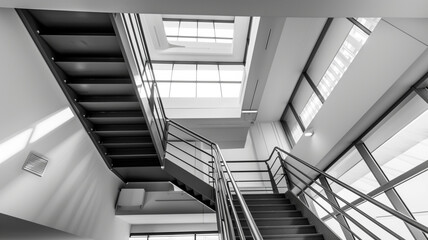
A staircase is more than just a functional pathway between levels. It is a structural feature that influences how a space feels and flows. At the heart of every staircase is the railing, a component that provides both safety and visual definition. When crafted from metal, stair railings become a powerful design element that blends durability with style.
Metal Stairs Railings are widely used in both residential and commercial settings because of their strength, versatility, and long lasting performance. Whether designed with clean modern lines or detailed decorative patterns, metal railings offer a balance of form and function that enhances any environment.
Understanding the Purpose of Metal Stair Railings
Metal stair railings serve a critical role in ensuring safety and stability. They provide support for individuals as they move up and down stairs, helping to prevent slips and falls. At the same time, they act as a boundary that defines the edge of the staircase.
Beyond safety, railings contribute to the overall design of a space. Their placement and style can influence how open or enclosed an area feels. In open layouts, metal railings can create a sense of structure without obstructing visibility.
The durability of metal makes it particularly suitable for high traffic areas. Unlike materials that may wear down over time, metal maintains its strength and reliability, making it a practical choice for long term use.
Types of Metal Used in Stair Railings
Different types of metal are used in stair railings, each offering unique characteristics. Steel is one of the most common choices due to its strength and adaptability. It can be shaped into a wide range of designs, from simple bars to intricate patterns.
Stainless steel is valued for its resistance to corrosion and its clean, polished appearance. It is often used in modern interiors where a sleek and refined look is desired.
Aluminum is another option that offers a lightweight alternative while still providing durability. It is often used in outdoor applications because of its resistance to rust.
Wrought iron is known for its decorative qualities. It can be crafted into detailed designs that add character and elegance to a staircase. This type of metal is often chosen for traditional or classic styles.
The choice of material depends on the specific needs of the project, including design preferences and environmental conditions.
Design Styles and Aesthetic Appeal
Metal stair railings are highly versatile in terms of design. They can complement a wide range of architectural styles, making them suitable for both contemporary and traditional spaces.
In modern designs, metal railings often feature clean lines and minimal detailing. Horizontal bars, cable systems, or glass panels combined with metal frames create a sleek and open appearance. This approach allows light to flow freely and enhances the sense of space.
For more traditional settings, metal railings can include decorative elements such as scrolls, curves, and ornamental details. These designs add warmth and character while maintaining the strength of the material.
Custom designs offer even greater flexibility. Metal can be shaped and finished in ways that reflect personal style, allowing for unique railings that stand out as focal points.
The finish of the metal also plays a significant role in its appearance. Options such as matte, brushed, or polished surfaces can dramatically change the look and feel of the railing.
Safety Features and Structural Integrity
Safety is a primary consideration in the design of metal stair railings. The strength of metal ensures that railings can withstand significant pressure, providing reliable support for users.
Proper installation is essential to maintain structural integrity. Railings must be securely anchored to the staircase and meet safety standards related to height and spacing. This ensures that they provide effective protection without compromising usability.
Handrails are an important component of the system. They should be comfortable to grip and positioned at an appropriate height to support movement. Metal handrails can be designed with smooth finishes that enhance both safety and comfort.
In addition to strength, metal railings offer consistency. They do not weaken or loosen easily over time, making them a dependable choice for environments where safety is a priority.
Applications in Different Settings
Metal stair railings are used in a variety of environments due to their adaptability and durability. In residential spaces, they are often chosen for their ability to enhance interior design while providing reliable support.
Modern homes frequently use metal railings to create open and airy staircases. These designs can make smaller spaces feel larger and more connected.
In commercial settings, metal railings are valued for their ability to handle heavy use. Offices, retail spaces, and public buildings require materials that can withstand constant traffic while maintaining a professional appearance.
Outdoor applications are also common. Metal railings can be used for exterior staircases, balconies, and walkways. With proper coatings, they can resist weather conditions and maintain their performance over time.
This versatility makes metal railings a practical choice for a wide range of projects.
Customization and Fabrication Options
One of the key advantages of metal stair railings is the ability to customize them to fit specific needs and preferences. Fabrication techniques allow for precise shaping and detailing, making it possible to create unique designs.
Custom railings can be tailored to match the dimensions and layout of a staircase. This is especially important in spaces with unconventional designs or limited space.
Patterns, textures, and finishes can all be customized to achieve a desired look. Whether the goal is a minimalist design or a more decorative style, metal provides the flexibility to bring creative ideas to life.
Advanced fabrication methods, including precision cutting and forming, enable the creation of complex designs with high accuracy. This ensures that the final product meets both aesthetic and functional requirements.
Customization allows metal stair railings to become more than just safety features. They can serve as distinctive elements that define the character of a space.
Maintenance and Long Term Performance
Metal stair railings are known for their durability and low maintenance requirements. With proper care, they can retain their appearance and functionality for many years.
Regular cleaning helps maintain the finish and prevents the buildup of dust and debris. This is especially important in high traffic areas where railings are frequently touched.
Protective coatings play a significant role in extending the life of metal railings. These coatings help prevent corrosion and protect the surface from wear.
Periodic inspections can identify any signs of damage or wear, allowing for timely maintenance. This ensures that the railings continue to provide safe and reliable support.
The long term performance of metal railings makes them a cost effective choice, as they require fewer repairs and replacements compared to other materials.
The Impact of Metal Railings on Interior and Exterior Design
Metal stair railings have a strong influence on the overall appearance of a space. Their design can enhance architectural features and create visual interest.
In interior spaces, metal railings can serve as focal points that draw attention to the staircase. Their clean lines and finishes contribute to a modern and sophisticated look.
In exterior settings, metal railings add structure and definition to outdoor areas. They can complement the design of a building while providing safety and support.
Lighting can further enhance the appearance of metal railings. Reflections and shadows interact with the surface, adding depth and dimension to the design.
By combining functionality with visual appeal, metal railings play an important role in shaping both interior and exterior environments.
Final Thoughts
Metal stair railings offer a perfect blend of strength, safety, and design flexibility. They provide essential support while also enhancing the visual character of a space. With a wide range of materials, styles, and customization options, they can be adapted to suit various needs and preferences.
Their durability and low maintenance requirements make them a practical and long lasting solution for both residential and commercial applications. At the same time, their aesthetic versatility allows them to stand out as key design elements.
By choosing metal stair railings, individuals can achieve a balance between functionality and style. These structures not only ensure safety but also contribute to the overall beauty and efficiency of the spaces they serve.